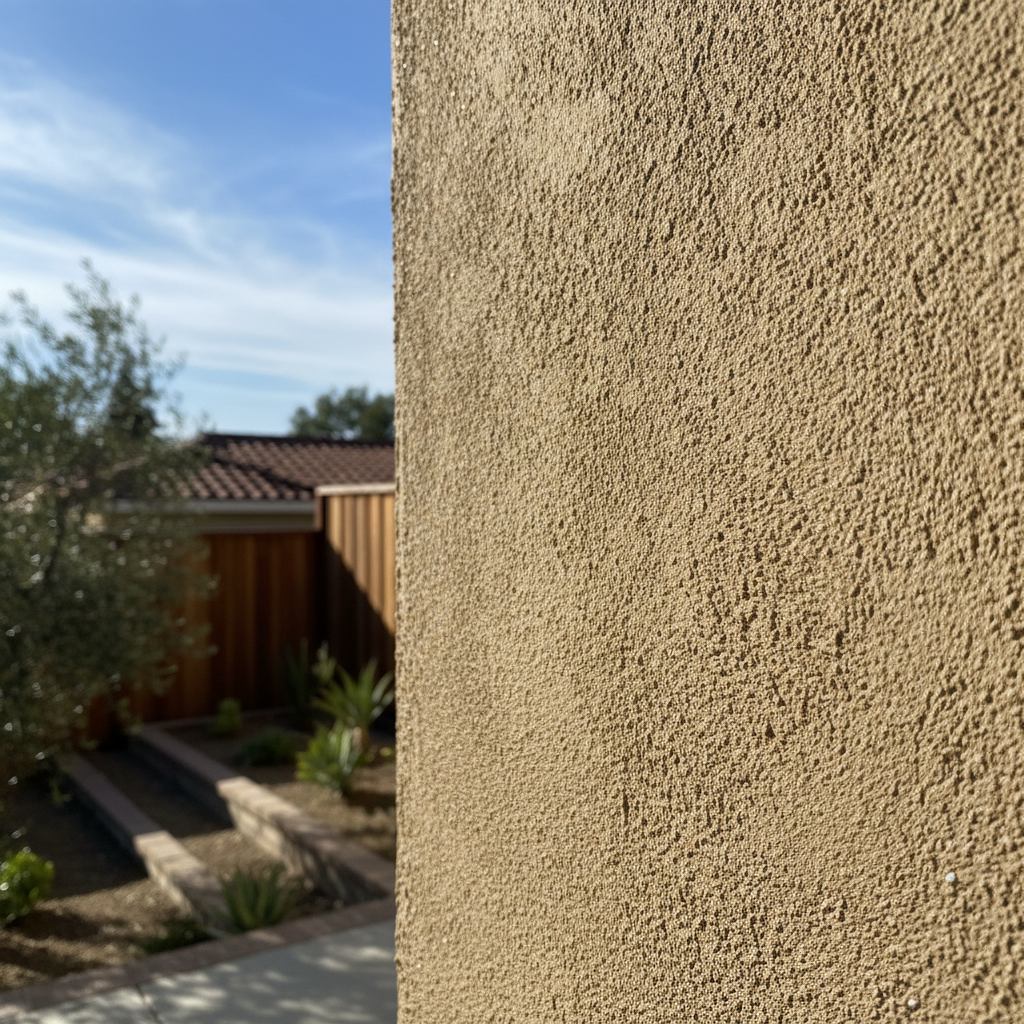
You're probably thinking, "Commercial stucco? For my house?" And yeah, that's a fair question. Most folks associate commercial stucco with big buildings, shopping centers, or schools. But honestly, the same tough, long-lasting materials and techniques used on those larger projects can be a fantastic choice for residential properties right here in Los Altos. It's not just about how it looks; it's about durability, saving energy, and getting a finish that really stands up to our local weather.
So, let's break down what you need to know if you're considering commercial stucco for your home, from the initial idea all the way to keeping it looking great for years.
Before You Start: Planning and Preparation
This isn't just a weekend DIY paint job, let's be clear. Commercial stucco is a serious investment, and it absolutely starts with solid planning. First off, understand what you're actually getting into. We're talking about a multi-layer system, often with a cement base, a mesh reinforcement, and then the finish coats. It's built for strength and longevity, period.
What can you realistically do yourself? Not much of the actual application, honestly. This isn't like slapping on a coat of paint. You need specialized tools, specific materials, and a lot of experience to get it right. Trying to DIY the application will almost certainly lead to cracks, water getting in, or a finish that just looks awful. Trust me, I've seen the aftermath, and it's always more expensive to fix a bad stucco job than to do it right the first time.
However, you can definitely handle the research and initial decisions. Think about the look you want. Commercial stucco offers a huge range of textures and colors, from smooth, modern finishes to more traditional, sand-like textures. Consider how it will complement your home's architecture and the surrounding landscape. Also, think about your budget. Commercial stucco isn't the cheapest option upfront, but its durability often makes it more cost-effective in the long run compared to other siding materials that might need more frequent repairs or repainting.
Another thing to consider is your home's existing structure. Is it ready for a new exterior? Any underlying issues with your framing or sheathing need to be addressed before stucco goes on. Water intrusion is the enemy of any exterior, and stucco is no exception. A good contractor will thoroughly inspect your home before giving you a quote.
During the Project: What to Expect
Once you've decided to go with commercial stucco and picked your contractor (hopefully someone like Mighty Stucco Solutions!), here's what the process generally looks like. It's going to be a construction zone for a bit, so prepare for some disruption.
- Scaffolding and Prep: The crew will set up scaffolding around your home. They'll also protect windows, doors, and landscaping. This is crucial. You don't want stucco splatter on your new azaleas, do you?
- Substrate Inspection and Repair: A good crew will re-inspect the substrate (the wall underneath) to ensure it's clean, dry, and structurally sound. Any rotten wood or damaged sheathing gets fixed now.
- Weather Barrier: A critical step is applying a weather-resistive barrier (WRB), often multiple layers of building paper or a synthetic wrap. This is your home's primary defense against water.
- Lath Installation: Metal lath (a mesh) is securely fastened to the wall. This provides the framework and mechanical key for the stucco to adhere to. This needs to be done carefully, especially around openings and corners.
- Scratch Coat: The first layer of cementitious stucco goes on, embedding the lath. It's called a scratch coat because it's literally scratched to provide a rough surface for the next layer.
- Brown Coat: After the scratch coat cures, a second layer, the brown coat, is applied. This coat is leveled and smoothed to create a uniform surface. This is where the skill really shows – getting a perfectly flat and plumb wall is an art.
- Finish Coat: This is the layer you'll see. It's a thinner, often acrylic-based, material that provides the color and texture. This is where your earlier decisions about aesthetics come into play. It cures relatively quickly.
Throughout this process, you'll want to communicate regularly with your contractor. Ask questions if you have them. Understand the timeline. Good communication prevents misunderstandings down the line.
After the Project: Maintenance and Longevity
So, the scaffolding's down, your house looks fantastic, and you're wondering, "Now what?" The beauty of commercial stucco is its low maintenance. It's designed to last decades, even with our varied Los Altos climate, from the dry summers to the occasional heavy winter rains that can really test an exterior.
Here's what you can do to keep it looking great:
- Regular Cleaning: Every year or two, give your stucco a good wash. A garden hose with a spray nozzle is usually enough to remove dirt, dust, and cobwebs. For tougher spots, a mild detergent and a soft brush can work. Avoid high-pressure washers unless you know exactly what you're doing, as they can damage the finish or even force water behind the stucco.
- Inspect for Cracks: Walk around your house periodically and look for cracks. Small hairline cracks are common and usually not a big deal. Larger cracks, especially those that are growing or allow water penetration, need attention.
- Address Water Issues: Make sure your gutters are clean and draining properly, directing water away from your foundation. Check that sprinklers aren't constantly spraying your stucco. Water is the biggest enemy of any exterior, and preventing prolonged exposure is key.
- Sealant Checks: Pay attention to the caulking and sealants around windows, doors, and where the stucco meets other materials. These expand and contract with temperature changes and can degrade over time. If you see cracking or gaps, it's time to re-caulk.
When do you call a pro after the project is done? If you see significant cracking, bubbling, or discoloration that you can't explain. If you suspect water intrusion, don't wait. These are signs that something more serious is going on, and a professional can diagnose and repair it before it becomes a much bigger, more expensive problem. For minor aesthetic touch-ups, you might be able to handle it yourself with a patch kit, but for anything structural or water-related, leave it to the experts. Your home is too valuable to risk a botched repair.
Commercial stucco is a fantastic choice for a Los Altos home. It's durable, attractive, and with a little care, it'll protect your investment for a very long time.