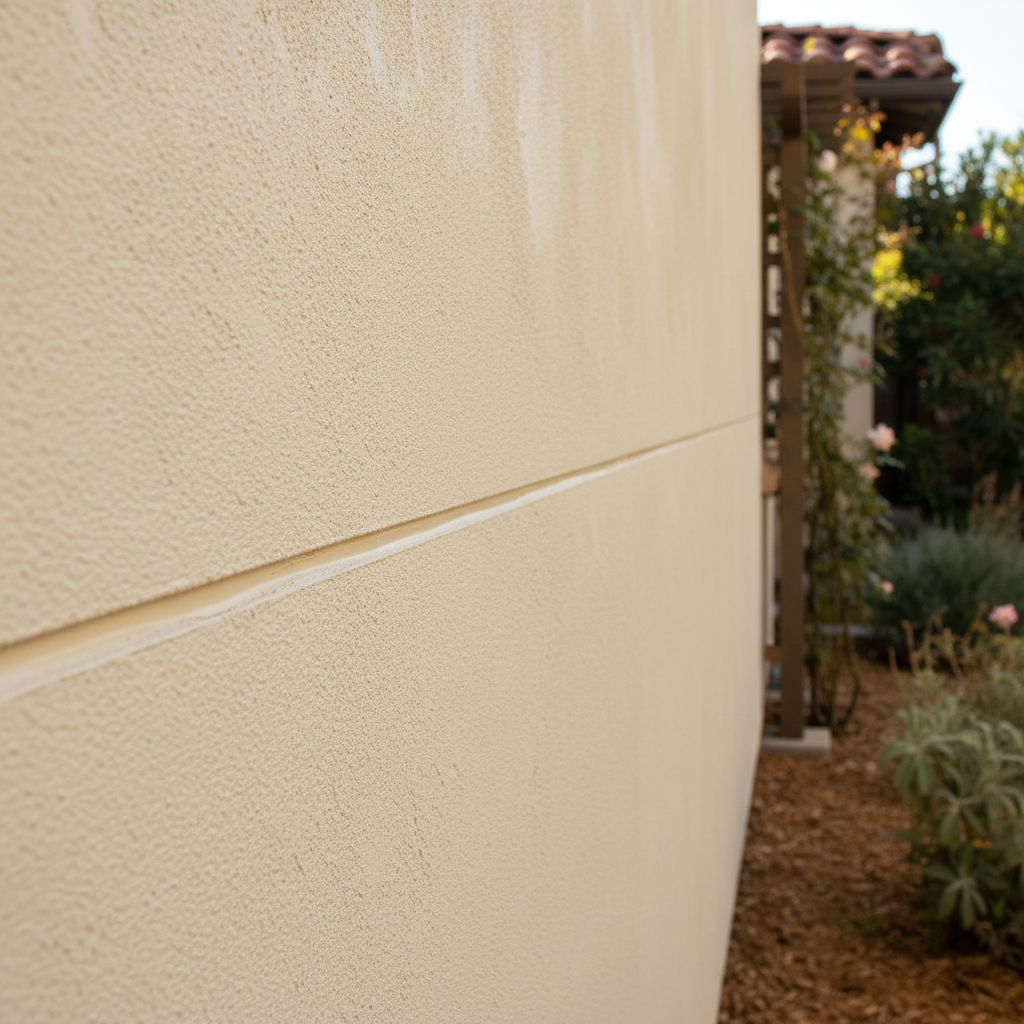
Can I just paint over my old stucco, or do I need to do something first?
You know, this is probably the most common question I get. And the short answer is: no, you can't just paint over it. Not if you want it to look good and last, anyway. Think of it like painting a wall inside your house – you wouldn't just slap new paint over peeling, dirty, or damaged drywall, right? Stucco is no different, maybe even more critical because it's dealing with our Los Altos weather.
First off, you've got to clean it. Really clean it. We're talking power washing to get rid of all the dirt, grime, mildew, and loose particles. If there's any efflorescence (those white, powdery salt deposits), you'll need to scrub that off too, usually with a wire brush and a vinegar solution. Then, and this is huge, you need to inspect for and repair any cracks, holes, or spalling. Even the smallest hairline crack can let water in behind your new paint job, and that's a recipe for disaster down the road. If you skip the repairs, the paint will just bridge over the cracks temporarily, and they'll reappear, sometimes worse, as the house settles or the stucco moves with temperature changes. It's an investment in the longevity of your paint job, and your home's integrity.
What kind of paint is best for stucco, and why?
Alright, so you've cleaned and repaired everything. Now for the paint. You definitely don't want to use just any old house paint. Stucco needs something that can breathe, expand, and contract with the material, and stand up to the elements. I always recommend high-quality elastomeric or acrylic latex paint specifically designed for masonry.
Elastomeric paint is fantastic because it's super flexible. It can stretch and bridge over tiny hairline cracks that might develop later, and it's excellent at waterproofing. It forms a thick, protective membrane. The downside? It's usually more expensive and can be a bit trickier to apply evenly if you're not used to it. Acrylic latex paints are also a great choice. They're breathable, durable, and offer good adhesion. They're generally more affordable than elastomerics and easier for most folks to work with. What you absolutely want to avoid are oil-based paints. They don't breathe, they'll trap moisture, and they'll likely crack and peel pretty quickly. You'll also want to make sure your paint has good UV resistance, especially with our sunny Los Altos days. Fading is a real concern if you pick a cheaper, lower-quality product.
How long does a stucco paint job typically last around here?
That's a tough one to give a precise number on, because it depends on so many factors. But generally, a well-prepped and properly painted stucco surface in Los Altos can last anywhere from 7 to 15 years, sometimes even longer. I've seen some jobs hold up for 20 years, but that's usually with top-tier materials and perfect conditions.
What affects it? Well, the quality of the paint, for starters. Cheaper paints just don't have the pigments or binders to withstand the sun and moisture. The quality of the prep work is huge – if you skip cleaning or repairs, you'll be repainting much sooner. The exposure of your home plays a big role too. A south-facing wall that gets hammered by the sun all day will likely show wear faster than a shaded north-facing wall. Also, if your home is in an area with a lot of trees, like some of the older neighborhoods near Shoup Park, you might get more mildew growth, which can degrade the paint over time. And let's not forget the quality of the application itself. Two thin coats are almost always better than one thick, gloppy one.
Do I need a primer for stucco before painting?
Yep, you absolutely do. Don't skip the primer. It's not just an extra step; it's a critical foundation for your paint job. A good quality masonry primer does a few important things for stucco.
First, it helps seal the porous surface of the stucco. Stucco is naturally absorbent, and without a primer, your paint will soak in unevenly, leading to a splotchy finish and requiring more coats. Second, primer provides a uniform surface for the topcoat to stick to. This means better adhesion, which translates to a more durable and longer-lasting paint job. Third, it can help block stains and prevent efflorescence from bleeding through your new paint. If you're going from a dark color to a light color, a white primer is essential to ensure true color representation and reduce the number of topcoats you'll need. Think of it as the glue between your stucco and your paint – you wouldn't build a house without a strong foundation, right?
What are the best times of year to paint stucco in Los Altos?
Timing is everything when it comes to exterior painting, especially with stucco. You've got to hit that sweet spot with the weather. For Los Altos, I'd say your best bets are late spring (think April, May) and early fall (September, October). Why then?
You need consistent, moderate temperatures. Not too hot, not too cold. Extreme heat can cause the paint to dry too quickly, leading to poor adhesion, brush marks, and an uneven finish. Extreme cold can prevent the paint from curing properly, making it vulnerable to damage. You also need low humidity. High humidity can slow down drying times and lead to issues like blistering or mildew. And, of course, no rain! You need several consecutive dry days for proper application and curing. Our summers here can get pretty hot, and while it's dry, the intense sun can be a challenge. Winter is obviously out due to rain and cooler temperatures. So, those shoulder seasons are ideal – you get mild temps, usually lower humidity, and a good stretch of dry days. Always check the forecast for at least a week out before you start.
My stucco has mildew. Can I just paint over it?
Absolutely not. Painting over mildew is like putting a band-aid on a broken leg – it doesn't solve the problem and it's going to cause bigger issues down the line. Mildew is a living organism, a fungus, and if you paint over it, it's just going to keep growing. It'll eat away at your new paint, causing it to peel, crack, and generally look terrible. Plus, it's not great for your home's air quality.
You need to kill and remove the mildew completely before you even think about priming or painting. This usually involves a good power wash with a mix of water and a mildewcide or bleach solution. Make sure you wear protective gear – gloves, eye protection, and old clothes. Scrub any stubborn spots with a brush. After cleaning, rinse thoroughly and let the stucco dry completely, usually for a few days, to ensure all moisture is gone and the mildew is truly dead. Once it's clean and dry, then you can proceed with your primer and paint. Some paints even have mildew-resistant additives, which is a good idea for areas prone to it, especially in shaded spots or where irrigation hits the wall.
Is it worth hiring a pro for stucco painting, or can I DIY it?
That's a question every homeowner grapples with, right? And honestly, it depends on a few things: your skill level, your time, and the condition of your stucco. Can you DIY it? Yes, many people do. But is it worth it? Often, for stucco, I'd say a professional is a really smart investment.
Stucco painting isn't like painting an interior wall. It's a big job. There's the extensive prep work we talked about – cleaning, repairing, priming. If you miss a step or do it improperly, your paint job won't last, and you'll be spending more money to fix it sooner. Then there's the actual application. Stucco has a textured surface, which can be tricky to get even coverage on. You need the right equipment – a good sprayer for efficiency, or specific rollers and brushes for textured surfaces. Plus, there's the safety aspect, especially if you have a two-story home. Working on ladders all day is exhausting and dangerous if you're not used to it.
A professional contractor, like us at Mighty Stucco Solutions, has the experience, the right tools, and the knowledge of materials to do the job right the first time. We know the local conditions, we're insured, and we can often get better pricing on high-quality materials. If you're confident in your abilities, have the time, and your stucco is in relatively good shape, go for it. But if you're looking for a durable, beautiful finish that lasts, and you want to avoid the headaches, then bringing in the pros is usually the way to go. You'll save yourself a lot of backache and potential future repairs.
What about color choices for stucco in Los Altos? Any tips?
Color choice is a big one, and it's where a lot of folks get stuck. My main advice? Don't rush it, and consider your surroundings. In Los Altos, we have a lot of beautiful natural light, which can make colors appear brighter than they do on a small swatch. What looks subtle on a chip might be glaring on your whole house.
Think about the architectural style of your home. A Spanish Colonial will look great with warm, earthy tones – terracotta, creams, soft yellows. A more modern home might pull off grays, whites, or even some bolder, muted tones. Consider your roof color, too. You want the stucco to complement it, not clash. And don't forget your landscaping! The greens of your plants will pop against certain colors.
Here's a trick: get large paint samples and paint them directly onto a section of your stucco. Live with them for a few days. Look at them at different times of day – morning sun, afternoon shade, evening light. You'll be amazed at how different a color can look. Also, check with your HOA if you have one; they often have approved color palettes. Generally, lighter colors tend to absorb less heat, which can be a small energy saver, and they show less fading over time compared to very dark, saturated colors. But ultimately, it's your home, so pick something you love looking at every day!