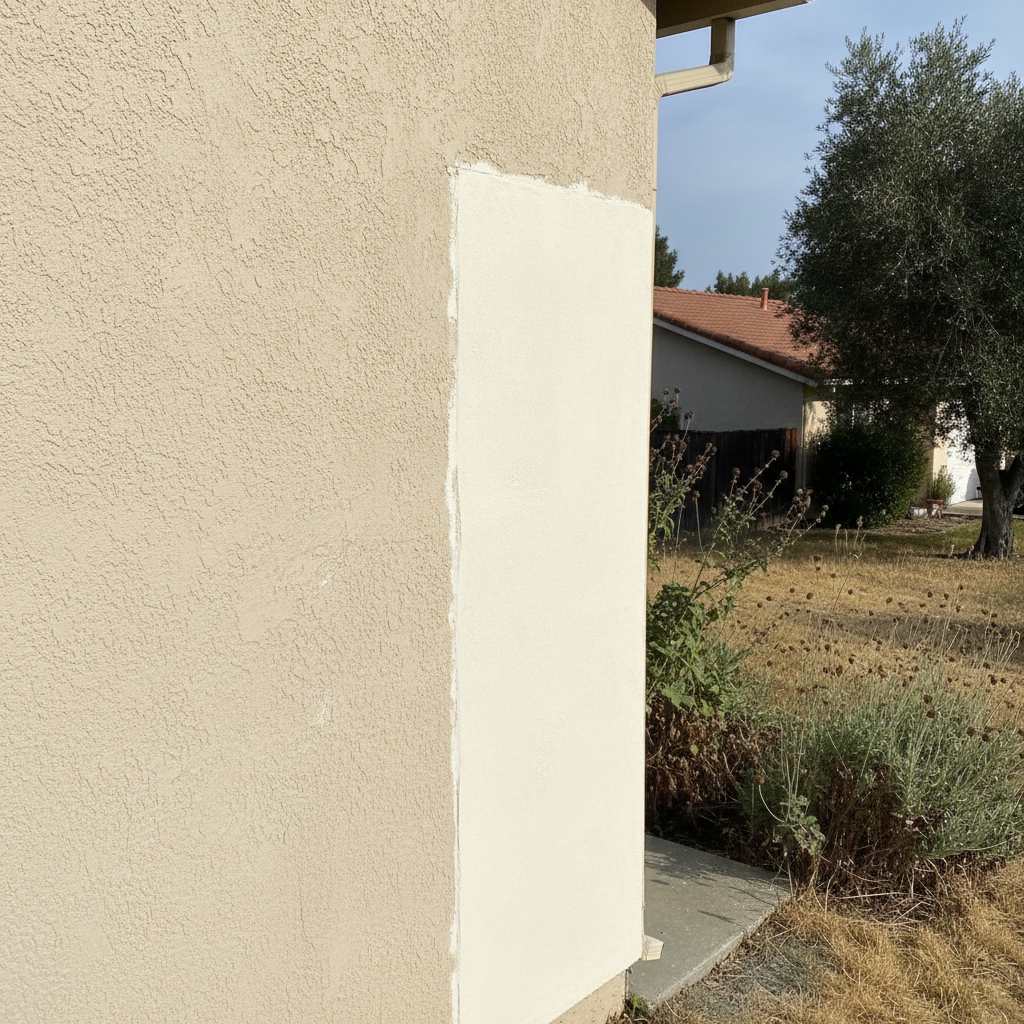
You've seen them, right? Cracks, discoloration, maybe even some crumbling on your stucco. It's a pretty common sight around here, especially with our older homes and those dry, hot summers that lead right into wet winters. So, what's the plan? Do you just patch up the bad spots, or should you go for a complete resurface? People ask me this all the time. There's no single perfect answer, but I can tell you what I usually suggest for Los Altos homeowners.
The Quick Fix: Stucco Patching
Patching is exactly what it sounds like: you only fix the damaged areas. If you've got a small crack, a ding from a rogue baseball, or a section that's just started to show some wear, patching can seem like the obvious, budget-friendly choice. And sometimes, yeah, it absolutely is the right call.
When Patching Works
- Minor, isolated damage: If it's just a few hairline cracks or a small impact hole, a patch can do the trick.
- Newer stucco: If your stucco is relatively new (say, less than 10-15 years old) and the damage isn't widespread, matching the existing finish and color is usually easier.
- Budget constraints: Let's be honest, sometimes you just need to stop water from getting in without breaking the bank. Patching is almost always less expensive upfront.
The Downsides of Patching
Here's where it gets tricky, especially in a place like Los Altos where homes often have varying stucco textures and colors. The biggest issue with patching is matching. Stucco fades and changes color over time because of sun exposure, rain, and even air quality. Even if you use the exact same mix, a new patch will almost always look different from the aged stucco around it. You end up with what we call a 'checkerboard' effect, or at best, a noticeable scar. I've seen it countless times where folks try to save a buck, and then they're calling me a year later because the patch stands out like a sore thumb.
Another thing to think about is the underlying problem. If you're seeing cracks, it might be a sign of something bigger, like foundation movement or water getting in behind the stucco. Patching just the surface doesn't fix those root causes. You might repair one spot, only for another crack to pop up nearby a few months later. What a headache.
The Long-Term Solution: Full Stucco Resurfacing
A full resurface means we put a new layer of stucco over your entire exterior. We're not talking about tearing everything off down to the studs, unless there's really severe structural damage or rot. Most of the time, it involves getting the existing stucco ready, making any necessary repairs to what's underneath, and then putting a fresh, continuous coat over everything.
When Resurfacing is the Smart Move
- Widespread damage: If your house has cracks, spalling, or discoloration all over, patching just isn't practical, and it looks terrible.
- Aging stucco: For homes with stucco that's 20, 30, or even 50+ years old – and we've got plenty of those charming older homes in areas like the Highlands – a full resurface truly breathes new life into the exterior. It's like giving your house a brand new skin.
- Curb appeal and resale value: If you're thinking about selling, or just want your home to look its best, a uniform, fresh stucco finish makes a huge difference. Buyers definitely notice this kind of upgrade.
- Improved protection: A new, continuous layer offers much better protection against water getting in, which is super important for stopping mold and rot, especially after our wet El Niño years.
- Energy efficiency: A new stucco system can also provide better insulation, helping to keep your home cooler in the summer and warmer in the winter.
Considerations for Resurfacing
The main thing here is cost. A full resurface is a bigger investment upfront than a simple patch. It needs more materials, more labor, and more time. However, when you consider how long it lasts, how much better it looks, and the improved protection, it often ends up being more cost-effective in the long run. You're not just fixing a problem; you're upgrading your entire home's exterior.
Another thing is the disruption. We'll be working around your house for a longer period, but we always do our best to minimize the impact on your daily life. We're really careful about protecting landscaping and keeping the site clean.
My Recommendation for Los Altos Homeowners
Look, I've been doing this for a long time, and I've seen pretty much every stucco issue you can imagine on Los Altos homes. My honest recommendation for most situations, especially if your stucco shows anything more than tiny, isolated blemishes, is to go for a full resurface. Yes, it costs more upfront, but you get a uniform, beautiful finish that lasts for decades, significantly boosts your home's curb appeal, and provides superior protection against our local weather conditions.
Think about it like this: you wouldn't just patch a leaky roof all over the place; you'd replace it when it's reached its limit. Stucco is your home's first line of defense. A full resurface gives you confidence and a stunning exterior that you'll be proud of. When Mighty Stucco Solutions does a resurface, we make sure we do it right, from the prep work to the final texture, so you don't have to worry about it for a very long time.
If you're unsure which path is right for your home, give us a call. We'll come out, take a look, and give you an honest assessment of your stucco's condition and the best way to tackle it. No pressure, just good advice from your local stucco pros.